Where two worlds meet
Contemplative Practice
Yoga, Mindfulness, Meditation & mind–body practices
Science & Technology
Artificial Intelligence & Health Technology
ICCH-AI 2026 is the meeting point where the lived, experiential knowledge of yoga, breath and meditation is brought together with AI, biosignal science and digital health — to measure it, personalise it, and deliver it at a scale no single teacher or clinic could reach.
Organisers & Institutional Partners
Convened with leading institutions
ICCH-AI 2026 is organised and academically anchored by partners spanning India and the United States.
Primary Organiser
YogaXBiofeedback Pvt Ltd
Dhyanly
AI-powered software and hardware for mind-body and biofeedback sciences. Developer of wearable biosignal platforms and digital health tools for contemplative practice.

Convening Institution
University of Central Florida
The India Center
UCF's dedicated centre for India-focused research, education and cultural engagement. Convening academic home for ICCH-AI 2026.
Institutional Partner
IIT Ropar
Centre of Excellence on Indian (Indigenous) Knowledge Systems (CoE-IKS)
IIT Ropar's dedicated centre advancing interdisciplinary research and scholarship on India's classical and contemporary knowledge traditions.

Institutional Partner
Notre Dame of Maryland University
School of Integrative Health (SOIH)
Baltimore, MD. Graduate home of accredited yoga therapy and integrative health programs within a liberal-arts tradition.
Tech Partner
IHFC, IIT Delhi
I-Hub Foundation for Cobotics
IIT Delhi's Technology Innovation Hub under India's National Mission on Interdisciplinary Cyber-Physical Systems (NM-ICPS), advancing cobotics, AI and applied deep-tech across healthcare and assistive technology.

Academic Partner — USA
Loyola Marymount University
Bellarmine College of Liberal Arts, MA in Yoga Studies
Los Angeles, CA. Home to the MA in Yoga Studies and the Doshi Professorship in Indic and Comparative Theology within a Jesuit liberal-arts tradition.

Scholarly Partner — USA
South Asian Studies Association
SASA
A scholarly and cultural association dedicated to understanding South Asia's cultures, histories, issues and opportunities — hosting annual conferences, peer-reviewed journals and recognition programs across the field.

IKS Knowledge Partner
Bṛhat
A Culture Engine for Bhārata
An education and culture platform advancing Indian Knowledge Systems through courses, research and cultural programs. Joining ICCH-AI 2026 in person for the launch, with academic outreach, event coverage and sponsor engagement alongside it.
Speakers represent institutions including










About ICCH-AI 2026
Three worlds.
One conversation.
ICCH-AI 2026 is the inaugural edition of what is intended to become an annual gathering, a space where Indian Knowledge Systems and Western empirical science meet as equal partners in inquiry.
Not as tradition waiting to be validated by science, or science imposing itself on tradition. Yoga, meditation and mindfulness carry centuries of lived, experiential knowledge about regulating the breath, the nervous system, and the mind.
Contemplative neuroscience and biosignal science have spent the last three decades building rigorous evidence for what these practices do to the brain and body. AI and digital health now offer the tools to measure, personalise and deliver these practices at a scale no individual teacher, clinic or lab ever could.
Join the ConferenceAncient Practice
Centuries of lived knowledge on regulating the breath, nervous system, and mind; refined through direct experiential inquiry across traditions.
Modern Science
Three decades of rigorous evidence, including neuroimaging, HRV and EEG studies, that formally documents what contemplative traditions have described experientially.
Emerging Technology
AI and digital health tools that can measure, personalise and deliver contemplative practices at a scale no individual teacher or clinic could reach alone.
Conference Days
Research Pillars
Parallel Tracks, Day 2
Partner Institutions
Conference Pillars
Six areas of inquiry
From foundational neuroscience to applied AI to ethical responsibility; each pillar is a distinct layer of the conversation.
Contemplative Neuroscience & Self-Regulation
- Neuroimaging & EEG of long-term meditators
- Heart rate variability & vagal tone
- Physiology of pranayama & paced breathing
- Polyvagal & autonomic nervous system research
- Clinical evidence for mindfulness-based interventions
Yoga, Ayurveda & Indian Knowledge Systems
- Foundations of yoga therapy
- Ayurvedic frameworks for mind-body health
- Svara Shastra & nasal-airflow practices
- Classical textual traditions & scientific interpretation
- Buddhist & Daoist contemplative frameworks
AI & Digital Therapeutics
- AI-powered posture & breath recognition
- Meditation-state classification & digital phenotyping
- Personalised learning platforms
- Generative AI tutors & coaching systems
- App-based digital therapeutics & clinical trials
Biofeedback, Wearables & Biosignal Science
- HRV & biofeedback wearable design
- Real-time physiological monitoring
- Compression-garment & nasal-airflow sensing
- Signal processing for biofeedback applications
- Biosignal integration into digital health platforms
Clinical Translation & Digital Health Delivery
- Telehealth delivery of yoga therapy & mindfulness
- Clinical trial design for digital interventions
- Integration into existing healthcare systems
- Accessibility & scalability of evidence-based delivery
- Regulatory & policy considerations
Ethics, Responsibility & the Future of the Field
- Data privacy and ethics in mental health AI
- Cultural authenticity in technological translation
- Transparency and safety in AI-mediated tools
- Encoding contemplative practice into algorithms
- Policy frameworks: AYUSH, DST, WHO
Programme
Three days. One dialogue, two conference days.
Speakers
Across contemplative science, clinical care and emerging technology
Researchers, clinicians and scholars whose work runs through the conference’s six pillars, from classical textual scholarship to AI-driven rehabilitation and biosignal science.
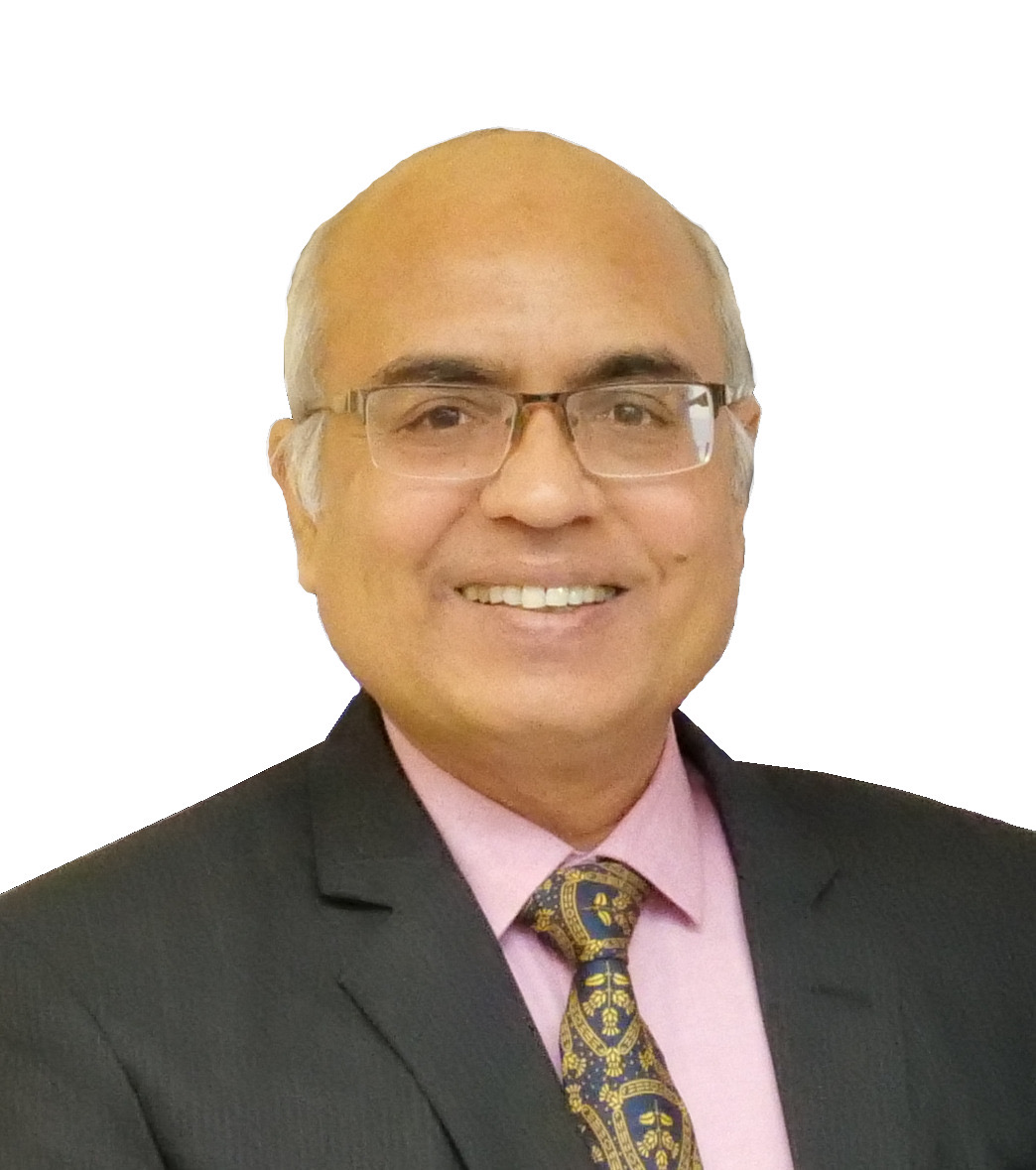
Shri Akhilesh Mishra
Former Ambassador of India to Ireland · High Commissioner to the Maldives
Indian Foreign Service (Retd.)·Profile
Three decades of senior diplomacy followed by independent study of Sanskrit philosophical texts. His close reading of the Yoga Sutra and Upanishads situates India's contemplative heritage at the centre of a living intellectual tradition.
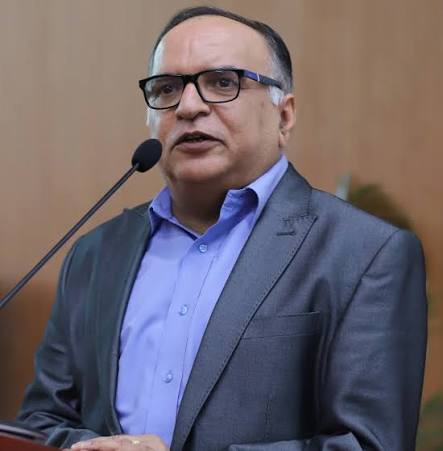
Prof. Rajeev Ahuja
Director, IIT Ropar · Professor of Computational Materials Science, Uppsala University
Indian Institute of Technology Ropar·Profile
Director of IIT Ropar since 2021 and, for over three decades, Professor of Computational Materials Science at Uppsala University, Sweden. A globally cited researcher in energy-storage materials and high-pressure condensed-matter physics, he is a Fellow of the Royal Society of Chemistry and the American Physical Society, with more than 1,200 peer-reviewed papers to his name.
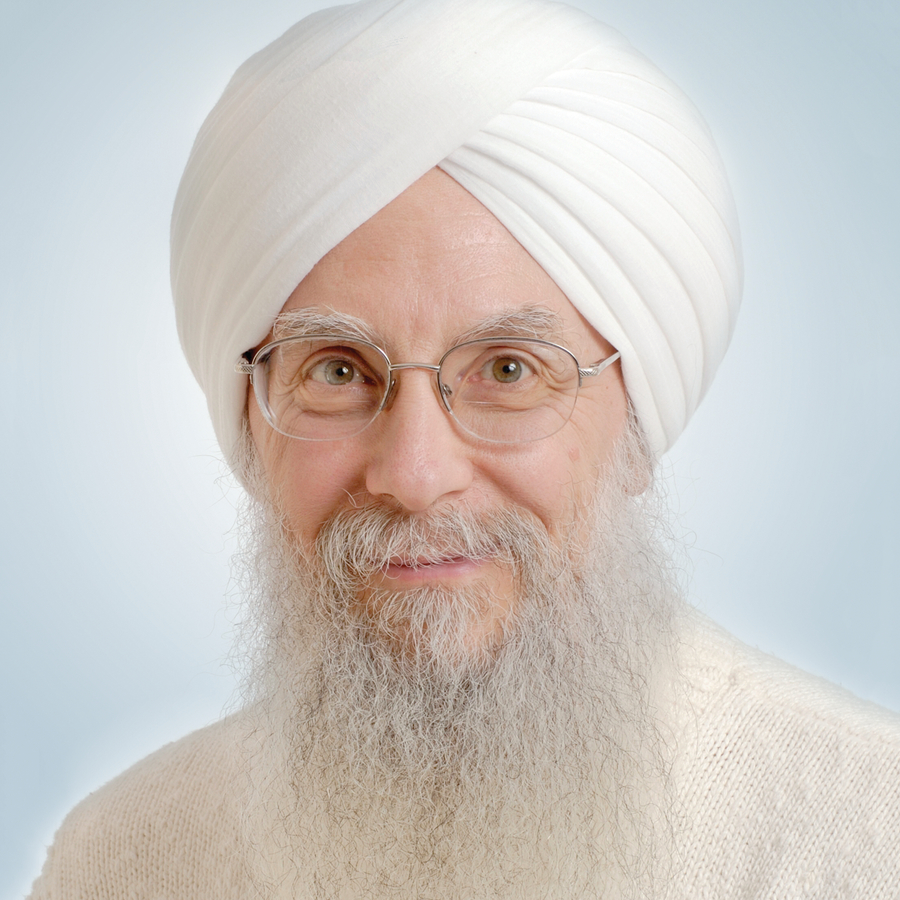
Dr. Sat Bir Singh Khalsa
Corresponding Member of the Faculty of Medicine · Lead Investigator, Division of Sleep and Circadian Medicine, Brigham and Women’s Hospital
Harvard Medical School·Profile
A leading researcher on the science of yoga and meditation for over four decades. He is Editor-in-Chief of the International Journal of Yoga Therapy, lead editor of The Principles and Practice of Yoga in Health Care, and Director of Research at the Kripalu Center and the Kundalini Research Institute, with clinical trials on yoga for anxiety, insomnia and occupational stress.
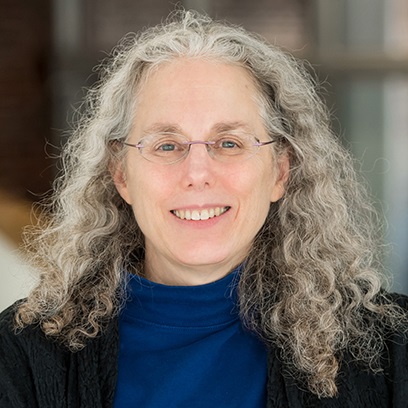
Dr. Sara Lazar
Associate Researcher, Psychiatry, Massachusetts General Hospital · Assistant Professor in Psychology, Department of Psychiatry
Harvard Medical School · Massachusetts General Hospital·Profile
A pioneer of the neuroscience of meditation. Her MRI studies at Massachusetts General Hospital were among the first to show that mindfulness and yoga practice are associated with measurable changes in brain structure — cortical thickness, grey-matter density in the hippocampus, and amygdala volume — reshaping how the field understands neuroplasticity and contemplative training.
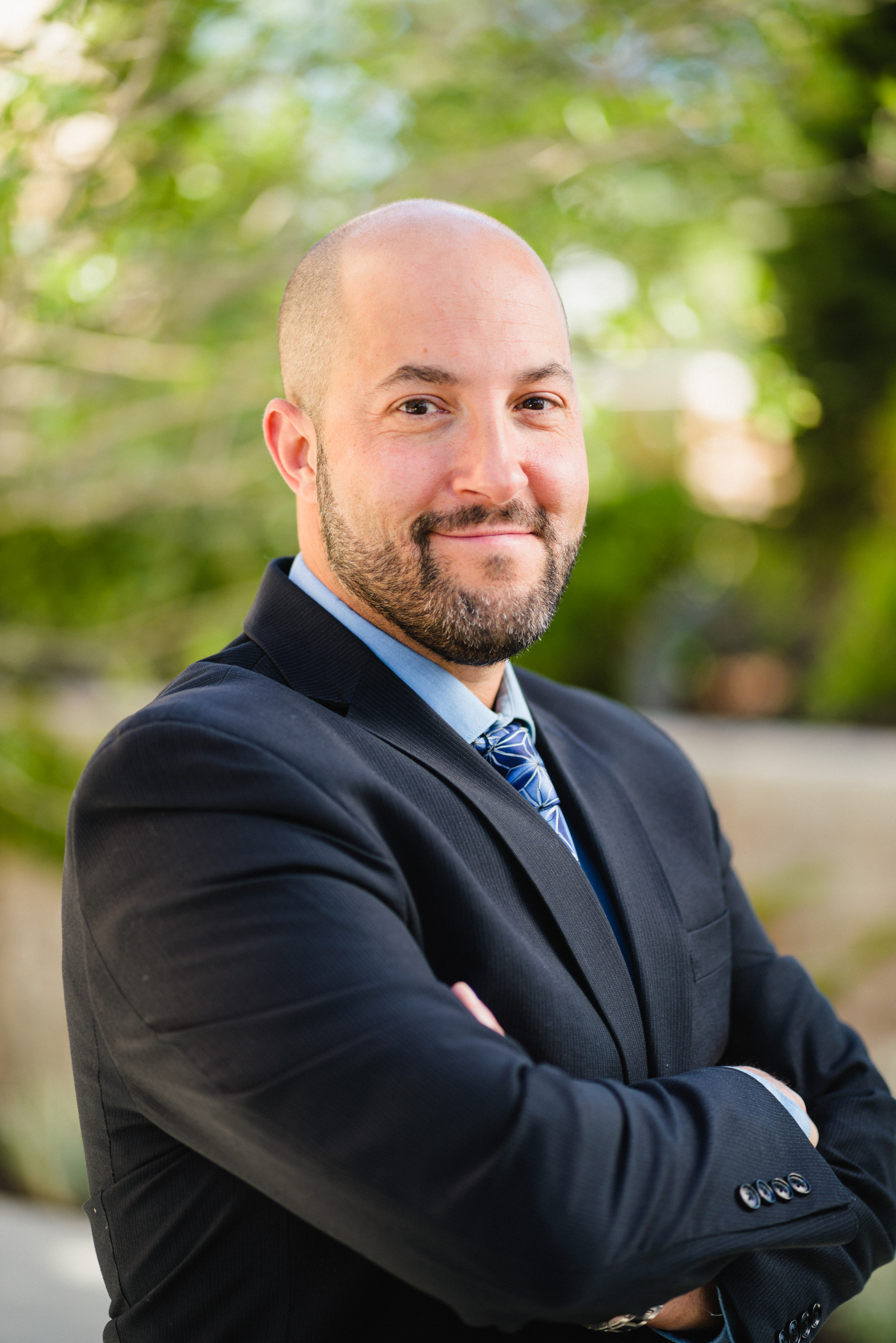
Dr. Eric Garland
Endowed Professor in Health Sciences, T. Denny Sanford Institute for Empathy and Compassion · Director, UCSD ONEMIND
University of California San Diego·Profile
Developer of Mindfulness-Oriented Recovery Enhancement (MORE), a neuroscience-informed therapy for addiction, chronic pain and emotional distress validated across more than 16 clinical trials and over $90 million in NIH funding. Appointed by NIH Director Francis Collins to the HEAL Initiative’s Multi-Disciplinary Working Group, he has been identified as the most prolific author of mindfulness research in the world.
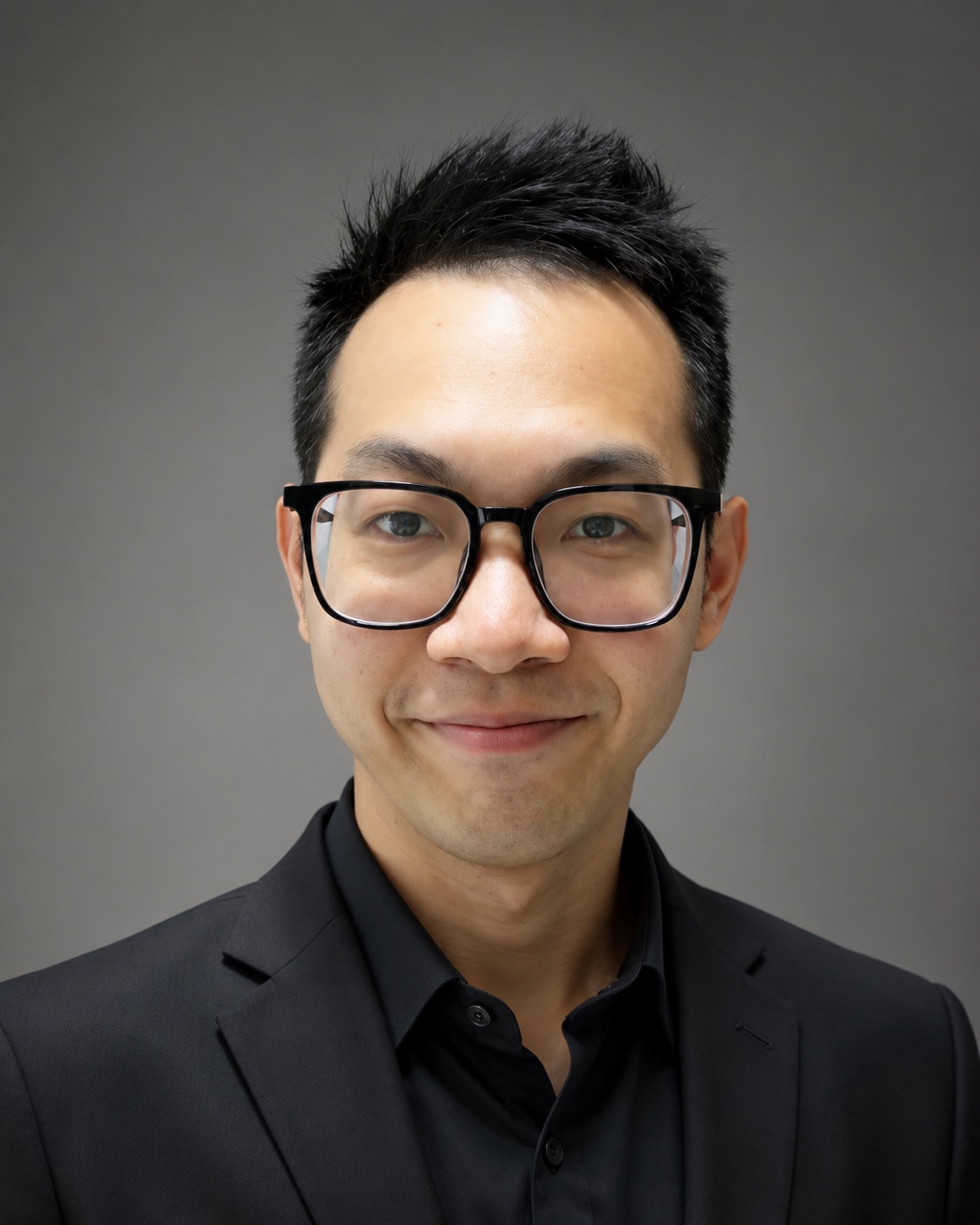
Dr. Winson Yang
Instructor, Meditation Research Program
Massachusetts General Hospital · Harvard Medical School·Profile
An instructor in the Meditation Research Program at Massachusetts General Hospital and Harvard Medical School, working with Matthew Sacchet. His research develops methods for understanding the mechanisms and outcomes of advanced meditation, using high-field neuroimaging to characterise brain reorganisation during advanced meditation. He is also interested in electrophysiological mechanisms and body-brain coupling during advanced meditation, alongside developing psychometric instruments that capture the phenomenology and outcomes of advanced meditation.
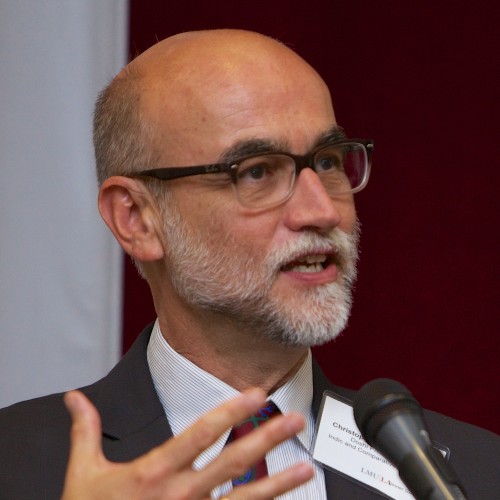
Prof. Christopher Key Chapple
Doshi Professor of Indic and Comparative Theology · Director, MA in Yoga Studies · Department of Theological Studies
Loyola Marymount University·Profile
Holds the Doshi Chair in Indic and Comparative Theology at LMU and has authored more than twenty books tracing yoga, Jainism and Buddhism from classical textual sources through to contemporary practice and ecology.
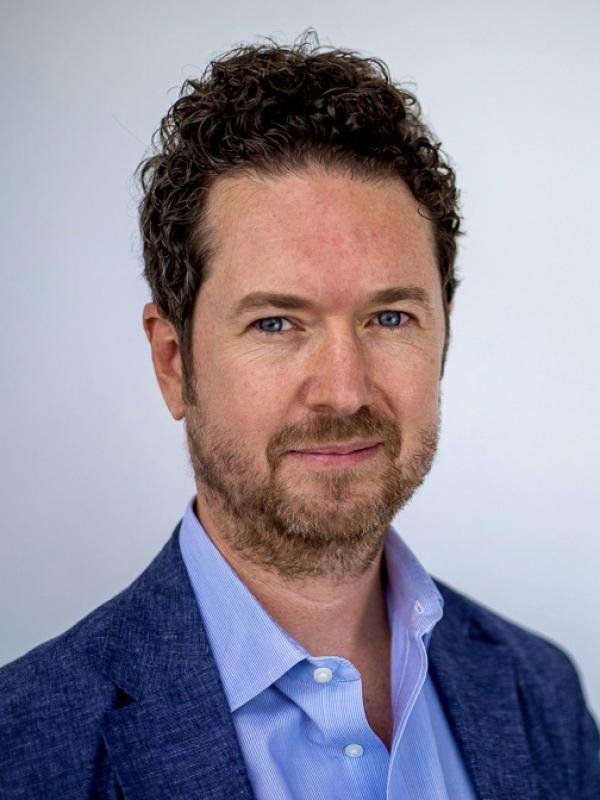
Dr. Michael R. Sheehy
Research Associate Professor, Department of Religious Studies · Director of Research, Contemplative Sciences Center
University of Virginia·Profile
Specialist in Tibetan Buddhism and the phenomenology of contemplative practice. As Director of Research at UVA's Contemplative Sciences Center he founded the CIRCL Contemplative Innovation + Research Co-Lab, a transdisciplinary lab studying contemplation through cultural, historical, phenomenological and neurophysiological lenses, and is Editor-in-Chief of the Journal of Contemplative Studies.
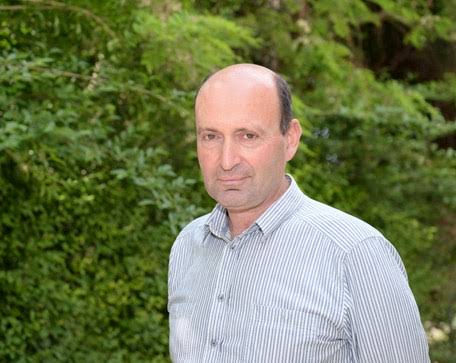
Prof. Ithamar Theodor
Professor of Hindu and Indian Studies, Department of Asian Studies
Scholar of the Bhagavad-gītā and Bhāgavata Purāṇa and of comparative Hindu–Jewish and Indian–Chinese philosophy. A graduate of the Theology Faculty at Oxford and Life Member of Clare Hall, Cambridge, he founded the Jewish–Asian annual conference in 2012 and has authored six books, including The Bhagavad-gita: A Critical Introduction (2021).
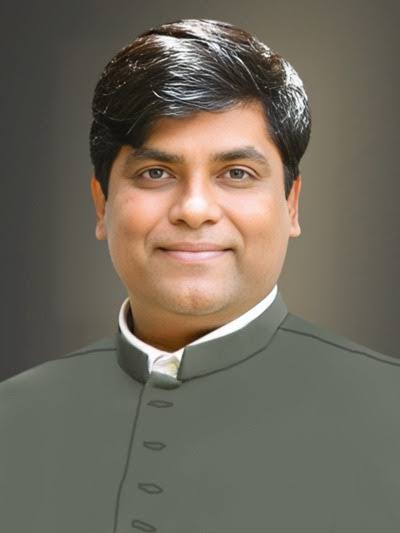
Dr. Ishwar V. Basavaraddi
Director & Professor, Centre for Yoga, Wellness and Integrative Medicine · Former Director, Morarji Desai National Institute of Yoga
Mahatma Gandhi University of Medical Sciences and Technology, Jaipur·Profile
A principal architect of India's national and international yoga policy, credited for his role in developing the Common Yoga Protocol adopted for the UN International Day of Yoga. He led the Morarji Desai National Institute of Yoga (MDNIY), Ministry of AYUSH, for over two decades before moving to MGUMST, Jaipur, where he now trains postgraduate scholars in evidence-based yoga therapy.
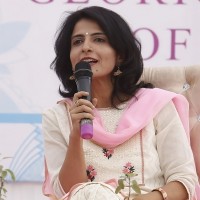
Ami Ganatra
Author · Management Consultant · Certified Yoga Instructor
IIM Ahmedabad · VJTI Mumbai·Profile
Author of the bestselling "Unravelled" series — Mahabharata Unravelled (Volumes I and II) and Ramayana Unravelled — praised for analysing character and ethics through original Sanskrit texts rather than creative adaptation. An IIM Ahmedabad and VJTI Mumbai alumna and certified yoga instructor, her latest book, Why Are We This Way (2026), is a modern guide to the framework and practical philosophy of Hindu Shastras.
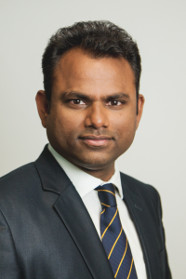
Assoc. Prof. Ramakrishnan Mani
Associate Professor & Associate Dean (Research), School of Physiotherapy · Director, Pain@Otago Research Theme
Leads the Otago Pain Mechanisms and Neuromodulation research group, using quantitative sensory testing, EEG and clinical trials to phenotype acute and chronic musculoskeletal pain. His work tests non-invasive neuromodulation, neurofeedback and self-regulatory interventions, and he is a co-investigator on the Dunedin Multidisciplinary Health and Development Study.
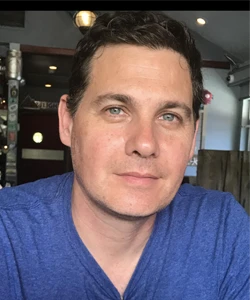
Dr. Steve Haberlin
Assistant Professor, Curriculum & Instruction · College of Community Innovation and Education
University of Central Florida·Profile
Investigates how meditation and mindfulness integrate with emerging educational technology in structured academic settings. He is the author of Meditation in the College Classroom and Meta-Meditation.

Prof. Amy Wheeler-Mantoan
Professor & Chair, Yoga Therapy Department · School of Integrative Health
Notre Dame of Maryland University·Profile
Chairs the Yoga Therapy Department at Notre Dame of Maryland University and brings over two decades of clinical experience translating yoga into evidence-based therapeutic and sport-psychology practice, including work with national Olympic teams.
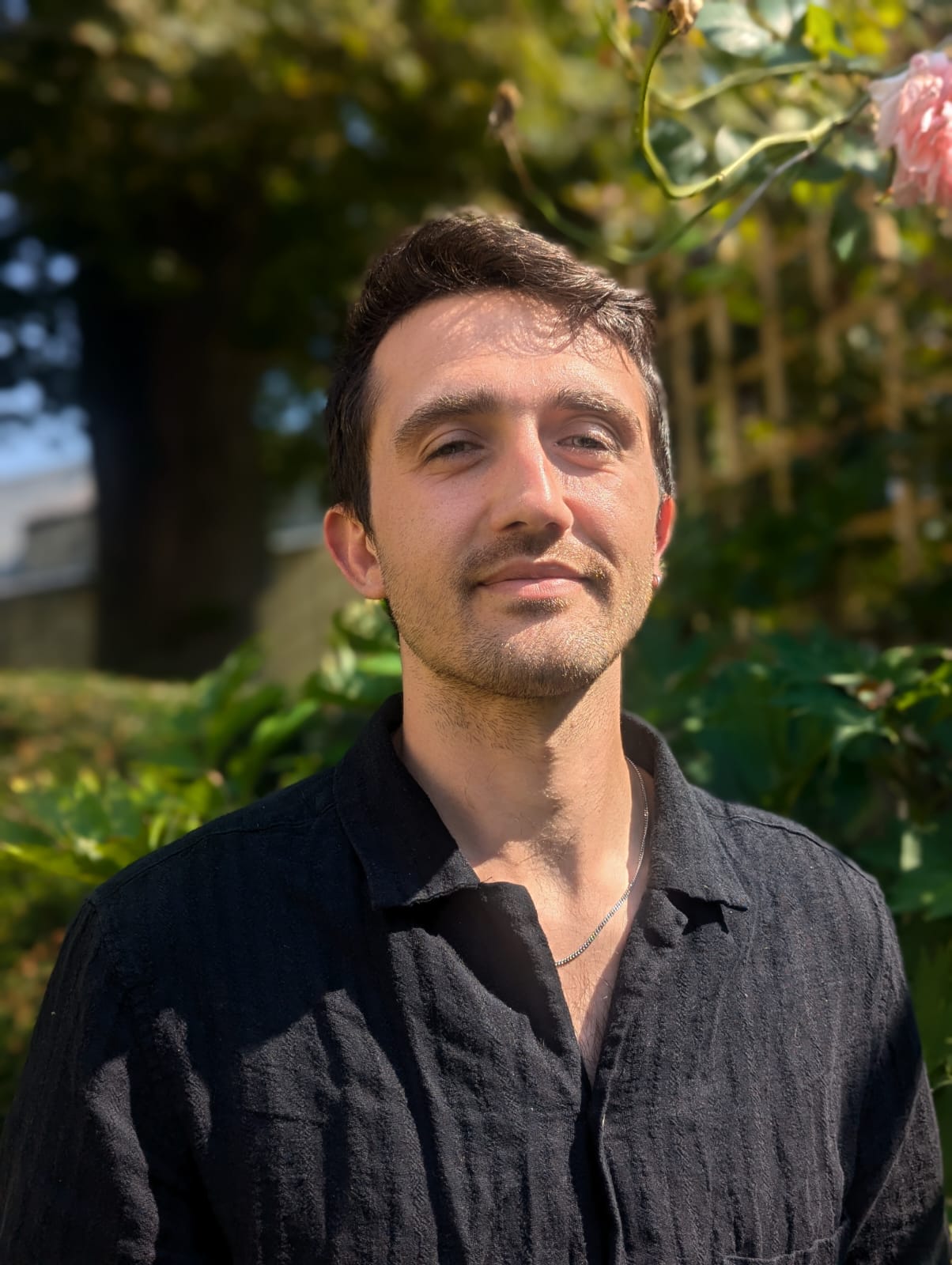
Dr. Evan Lewis-Healey
Postdoctoral Researcher, Department of Psychiatry
Cognitive neuroscientist studying the neurophenomenology of altered states of consciousness — breathwork, meditation and psychedelics. His Cambridge PhD traced the neural and experiential dynamics of breathwork and DMT, with findings published in Cerebral Cortex and the Journal of Cognitive Neuroscience.
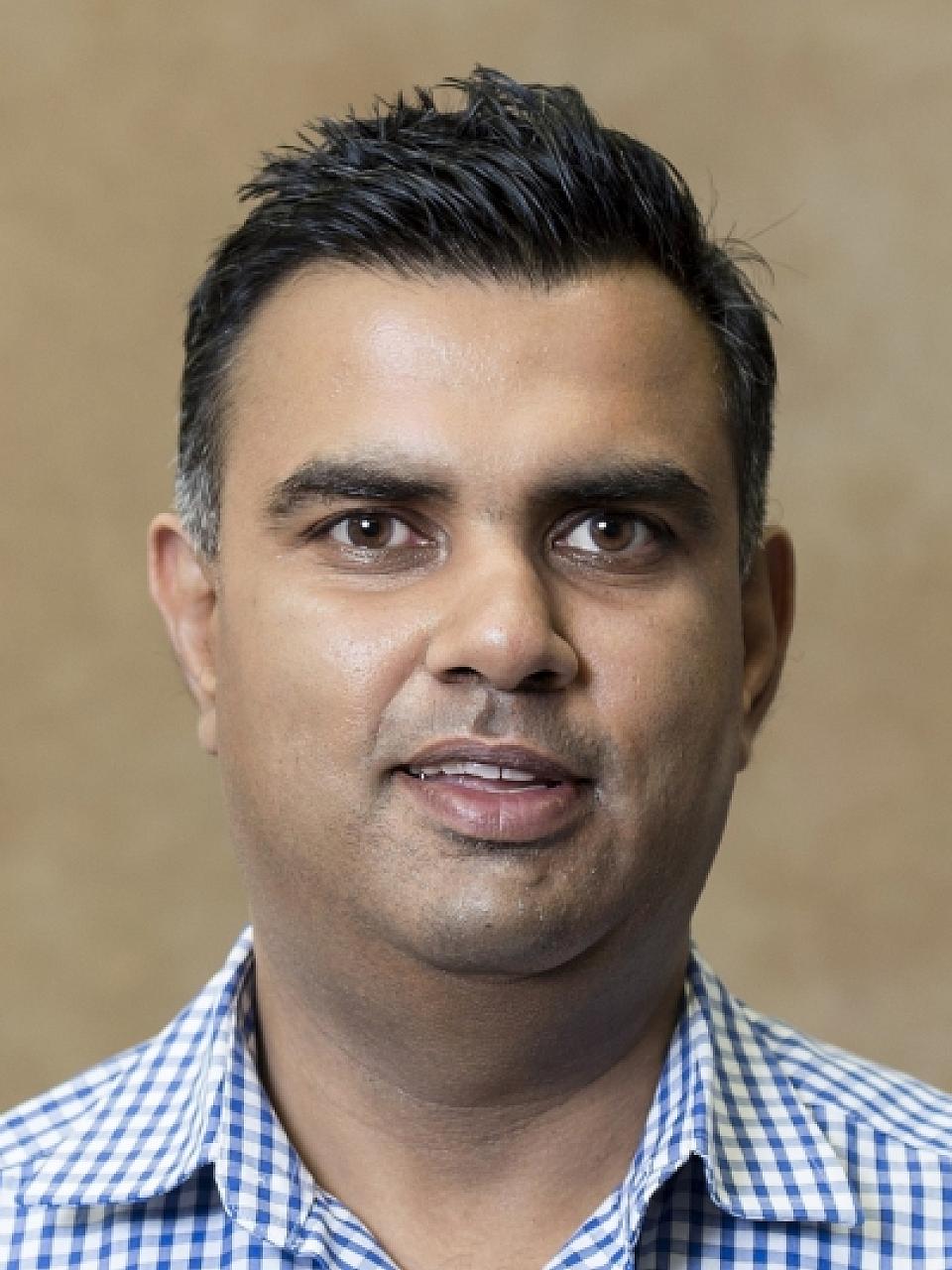
Dr. Amit Sethi
Associate Professor, Department of Occupational & Recreational Therapies · Director, NERD Lab
Directs the NERD Lab at the University of Utah, applying transcranial brain stimulation and movement science to develop evidence-based rehabilitation protocols for stroke recovery and neuromodulation-driven motor learning.
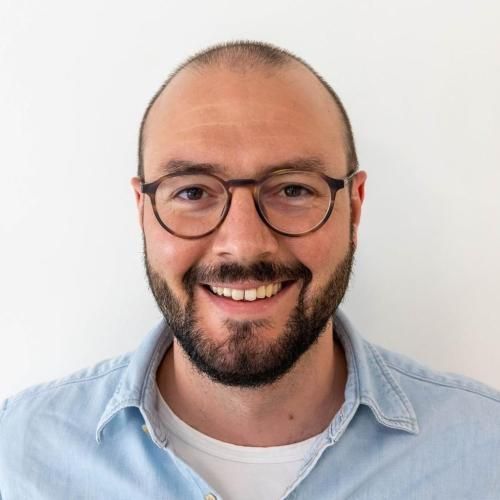
Dr. Kilian Abellaneda-Pérez
Researcher in Cognitive Neuroscience & Non-Invasive Brain Stimulation
University of Lleida · Institut Guttmann, Spain·Profile
Cognitive neuroscientist working between the University of Lleida and Institut Guttmann, using TMS-EEG, fMRI and non-invasive brain stimulation to study neuroplasticity, cognitive reserve and 'prehabilitation' before brain-tumour surgery, linking brain-network reorganisation to cognition, resilience and plasma biomarkers of ageing.
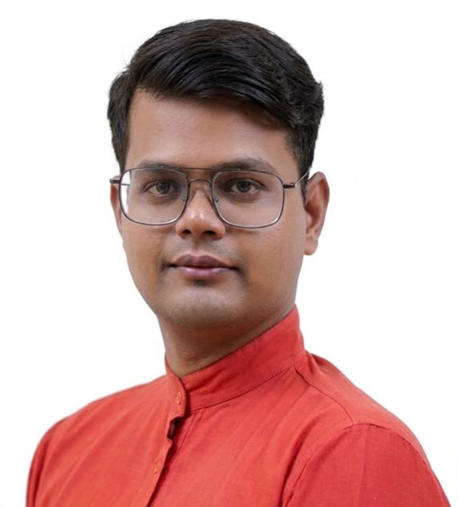
Satyam Tiwari
Founder & CEO, YogaXBiofeedback Pvt Ltd (Dhyanly) · SRF, IIT Mandi
YogaXBiofeedback Pvt Ltd (Dhyanly)·Profile
A practitioner of the Svara Yoga tradition for over two decades, academically trained in yoga, Indian Knowledge Systems, AI and technology. As founder of Dhyanly and pioneer of Contemplative AI, he builds clinical-grade biosignal and biofeedback platforms translating IKS into rigorous mind-body digital therapeutics.
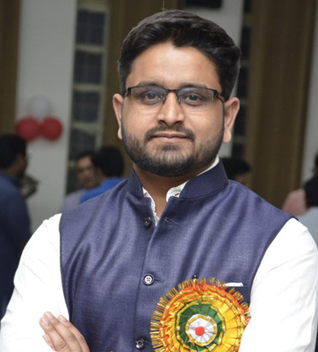
Dr. Aditya Rajput
Assistant Professor, Civil Engineering · Centre of Excellence on Indian Knowledge Systems (CoE-IKS)
Assistant Professor of Civil Engineering at IIT Ropar, working on durability and seismic retrofitting of reinforced concrete structures. Through IIT Ropar's Centre of Excellence on Indian Knowledge Systems (CoE-IKS), he coordinates Manana: The Contemplative Futures Roundtable, ICCH-AI 2026's pre-conference dialogue between IKS researchers and contemplative-science centres.
More speakers to be announced
Additional researchers, clinicians and technologists will be added to the lineup as ICCH-AI 2026 approaches.
Featured at ICCH-AI 2026
Book Launches
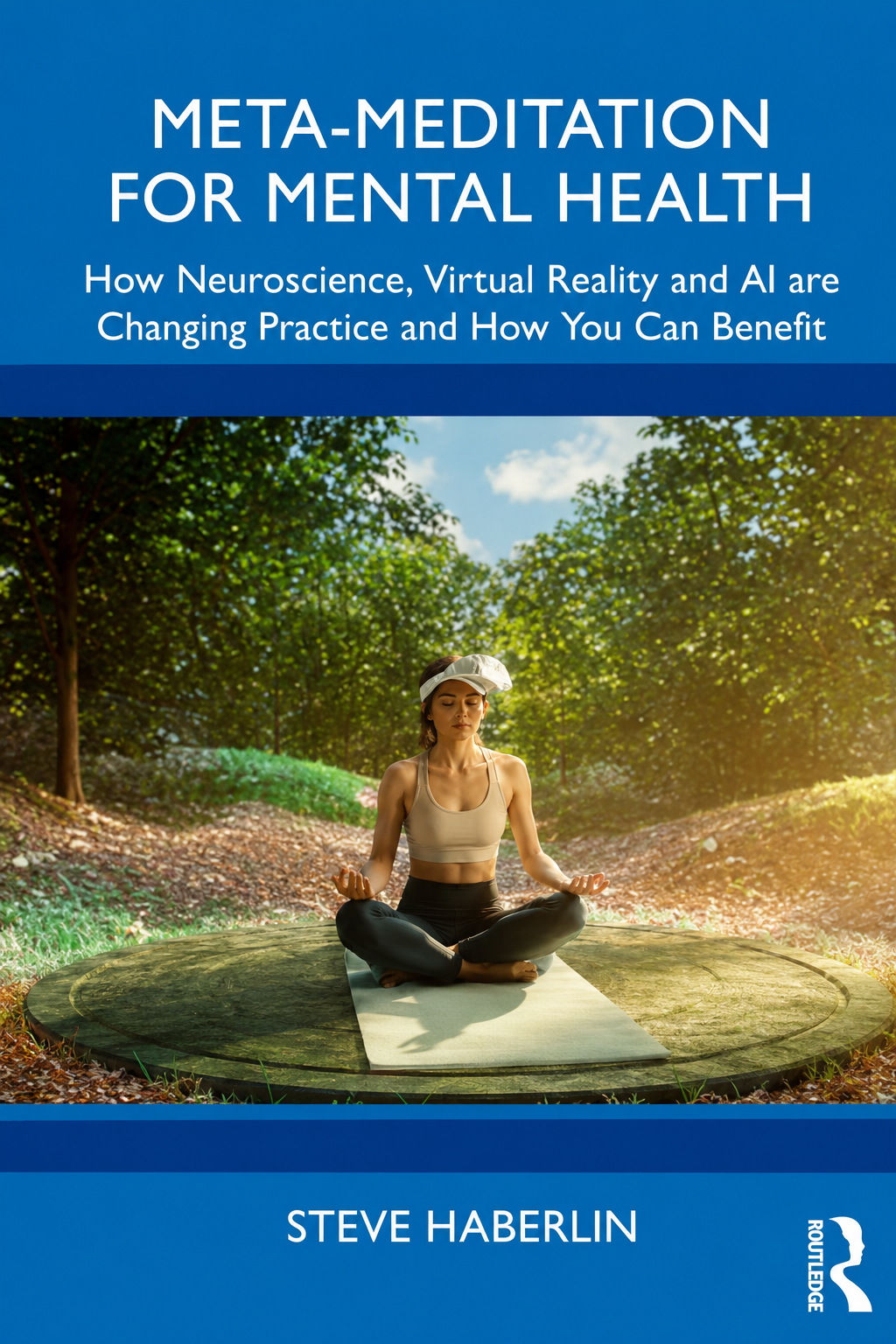
Meta-Meditation for Mental Health Routage
by Dr. Steve Haberlin
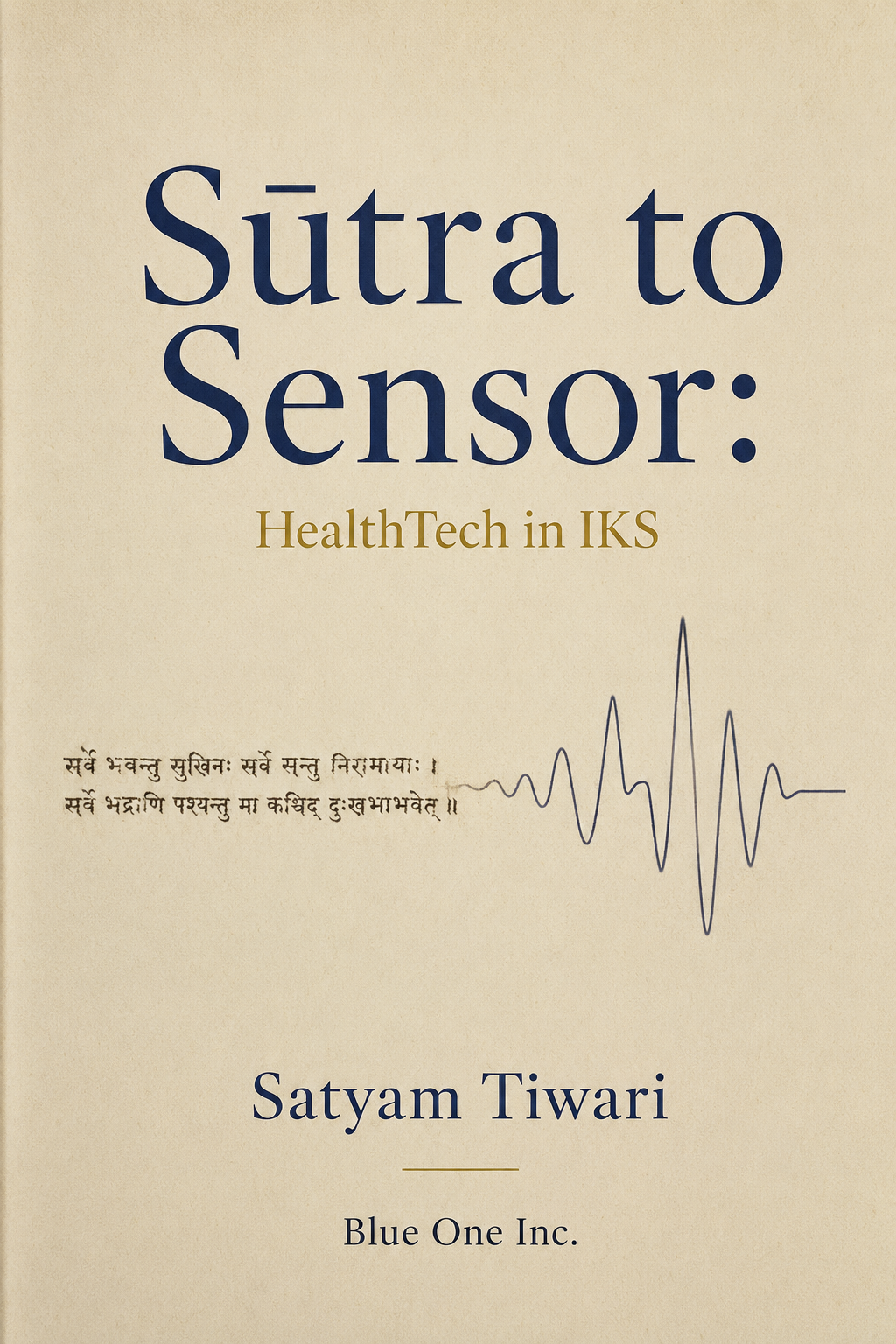
Sūtra to Sensor: HealthTech in IKS Blue One Inc.
by Satyam Tiwari
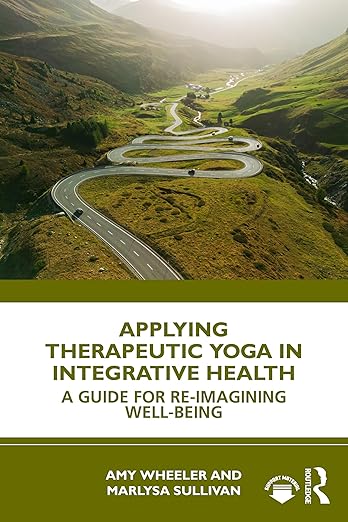
Applying Therapeutic Yoga in Integrative Health: A Guide for Re-Imagining Well-Being
by Prof. Amy Wheeler-Mantoan & Marlysa Sullivan
Common Questions
Frequently Asked Questions
Everything you need to know before you register.
What is ICCH-AI 2026?
ICCH-AI 2026 is the International Conference on Contemplative HealthTech and AI, taking place on October 22 and 23, 2026. It is a free, fully online event organised by the University of Central Florida, Notre Dame of Maryland University, and YogaXBiofeedback (Dhyanly), open to participants worldwide.
Is attendance free?
Yes. Registration and attendance are completely free for all participants joining online from anywhere in the world.
Who should attend?
The conference welcomes researchers, clinicians, yoga therapists, AI engineers, digital health professionals, students, and anyone genuinely interested in the intersection of contemplative practice and technology.
What topics does the conference cover?
Six research pillars: Contemplative Neuroscience and Self-Regulation; Yoga, Ayurveda and Indian Knowledge Systems; AI and Digital Therapeutics; Biofeedback, Wearables and Biosignal Science; Clinical Translation and Digital Health Delivery; Ethics, Responsibility and the Future of the Field.
Can I present research at ICCH-AI 2026?
Yes. Researchers and practitioners are invited to submit work for consideration. Register on this site and watch for the formal call for abstracts announcement.
How do I join the online sessions?
ICCH-AI 2026 runs entirely online. After registering, you will receive a confirmation with the link to join the live sessions on the conference dates.
What time does the conference run?
Each day runs from 17:30 to 21:30 IST, which is 8:00 am to 12:00 pm EST and 2:00 pm to 6:00 pm CET. The schedule is designed to be accessible across major international time zones.
How do I register?
Click Register Free on this page. Fill in your details, select your areas of interest, and you will receive confirmation immediately. No payment is required at any stage.
Organizing Committee
The organizers behind ICCH-AI 2026
Scholars, practitioners and technologists who have convened this conference and are responsible for its programme, partnerships and global reach.
Shri Akhilesh Mishra
Patron, ICCH-AI 2026
Former Ambassador of India to Ireland · High Commissioner to the Maldives
Indian Foreign Service (Retd.)
Profile →Prof. Christopher Key Chapple
Mentor, ICCH-AI 2026
Doshi Professor of Indic and Comparative Theology
Loyola Marymount University
Profile →Dr. Ishwar V. Basavaraddi
Mentor, ICCH-AI 2026
Director & Professor, Centre for Yoga, Wellness and Integrative Medicine, MGUMST Jaipur · Former Director, Morarji Desai National Institute of Yoga
Ministry of AYUSH, Government of India (Former)
Profile →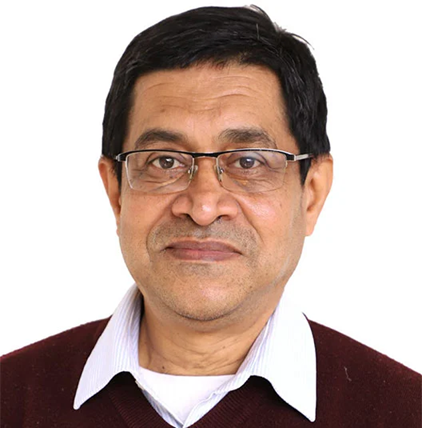
Prof. Subir Kumar Saha
Mentor, ICCH-AI 2026
Project Director, IHFC, IIT Delhi
I-Hub Foundation for Cobotics (IHFC), IIT Delhi
Profile →
Prof. Amy Wheeler-Mantoan
Chair, Academic Programme Committee
Notre Dame of Maryland University
Profile →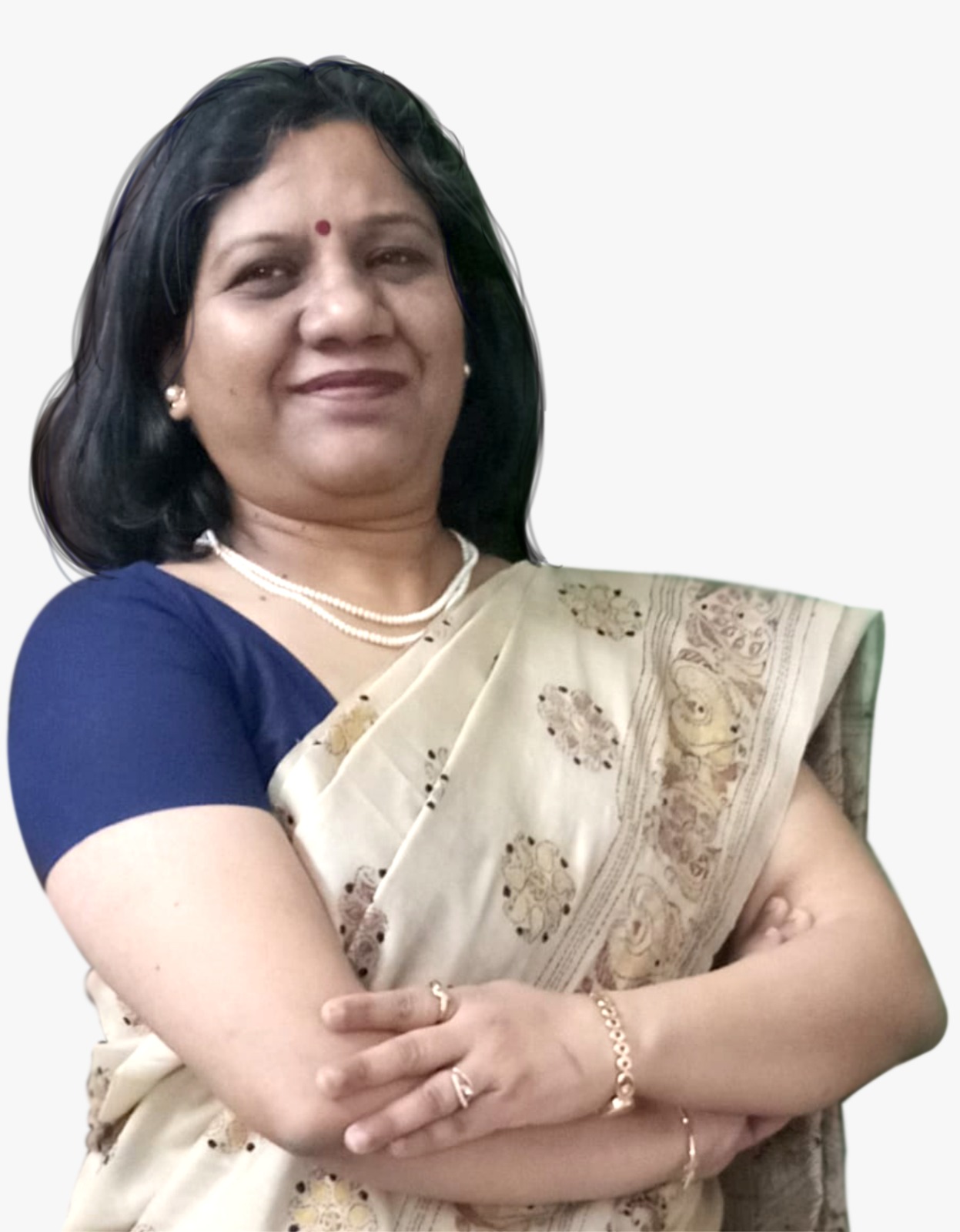
Dr. Sangita Garg
Institutional Advisor, ICCH-AI 2026
Vice President & Head of R&D, IHFC, IIT Delhi
I-Hub Foundation for Cobotics (IHFC), IIT Delhi
Profile →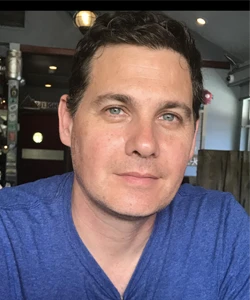
Dr. Steve Haberlin
Co-Convener and Head of Global Outreach, ICCH-AI 2026
University of Central Florida
Profile →Satyam Tiwari
Founder and Convener, ICCH-AI 2026
Head of Program, Technology & Production
Founder, YogaXBiofeedback Pvt Ltd (Dhyanly)
Profile →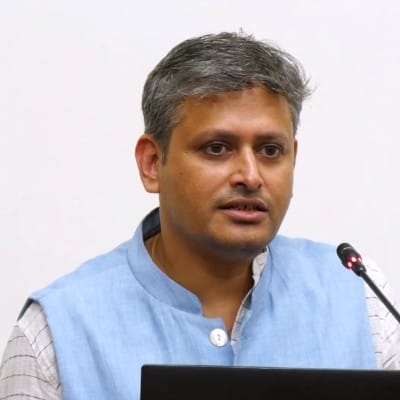
Dr. Aditya Rajput
Head of IKS Outreach, ICCH-AI 2026
Coordinator, Manana: The Contemplative Futures Roundtable
Assistant Professor, Civil Engineering · Centre of Excellence on Indian Knowledge Systems (CoE-IKS), IIT Ropar
Profile →Extended Organizers

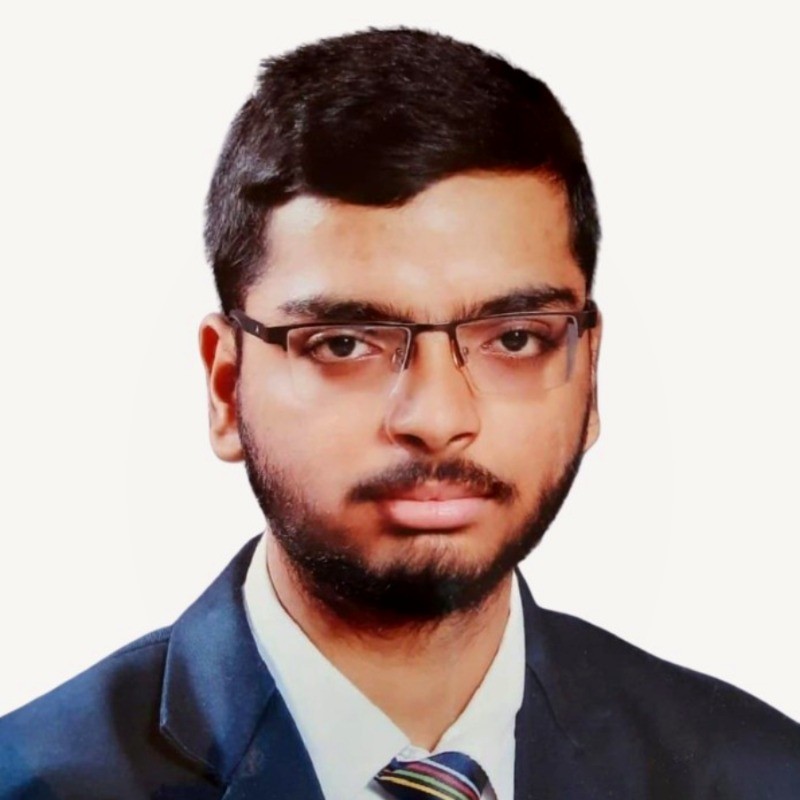
Aditya Pandey
Head of International Operations, ICCH-AI 2026
YogaXBiofeedback Pvt Ltd (Dhyanly)
Profile →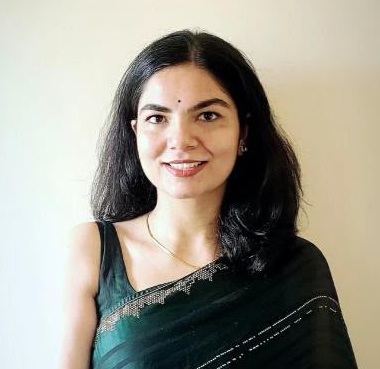
Dr. Roushani Kalia
Ayurveda Programme Head, ICCH-AI 2026
MD (Dravyaguna Vigyana) · Asst. Professor, Shri Dhanwantry Ayurvedic College & Hospital, Chandigarh
Profile →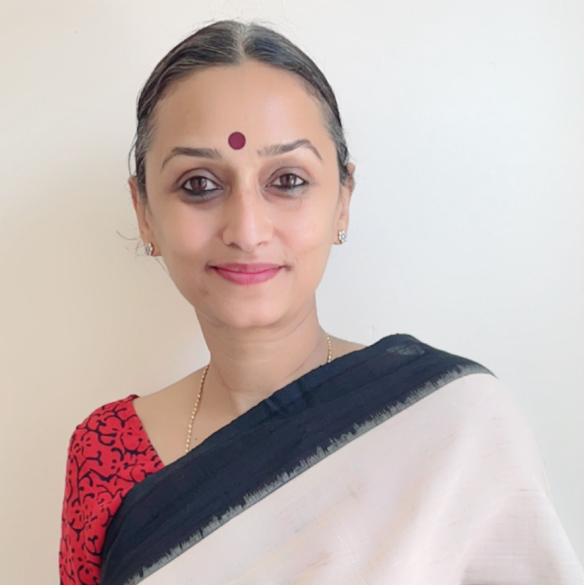
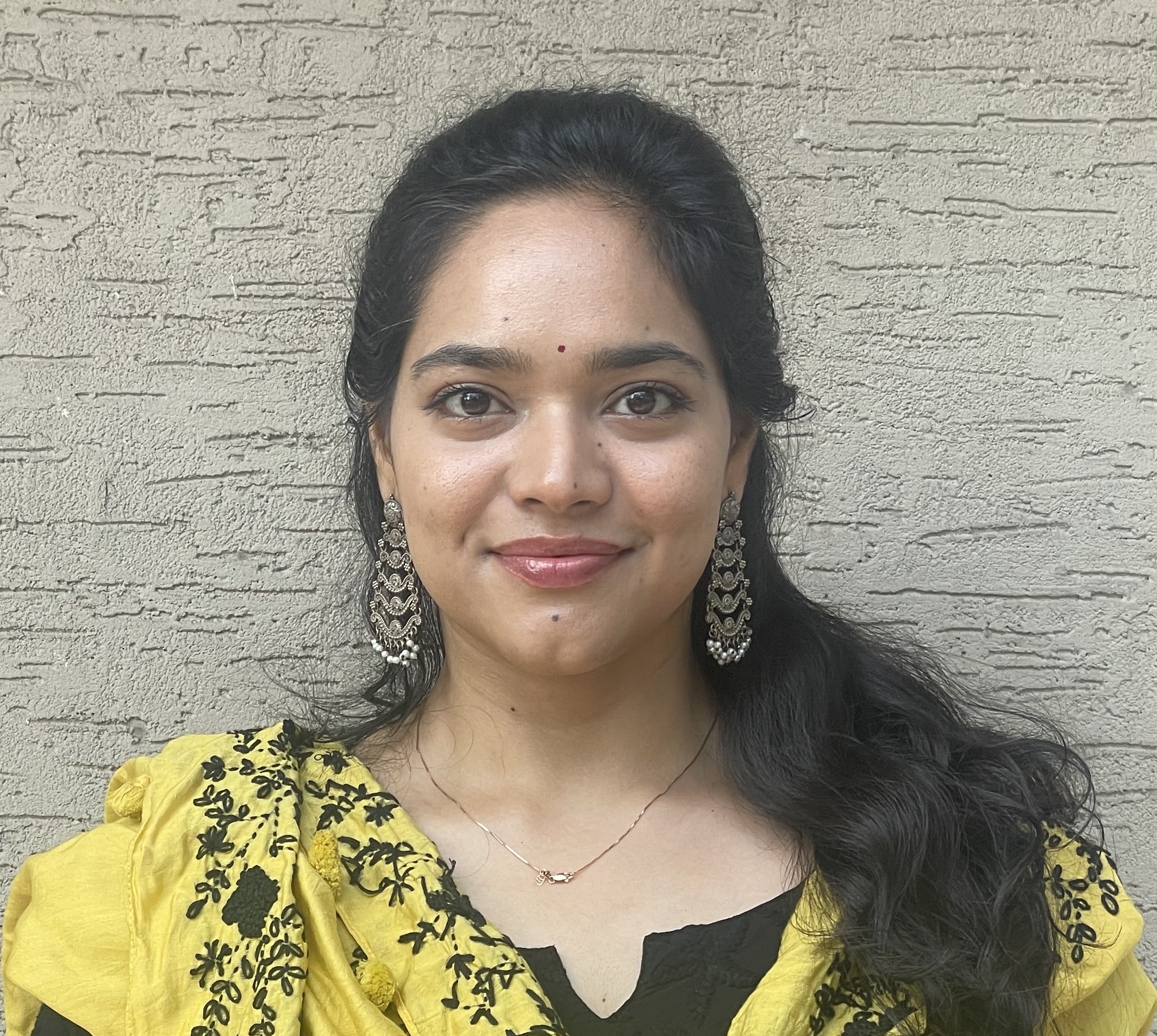
Sai Priya Chodavarapu
Head of Programme Documentation, ICCH-AI 2026
Senior Research Fellow, Bṛhat
Profile →
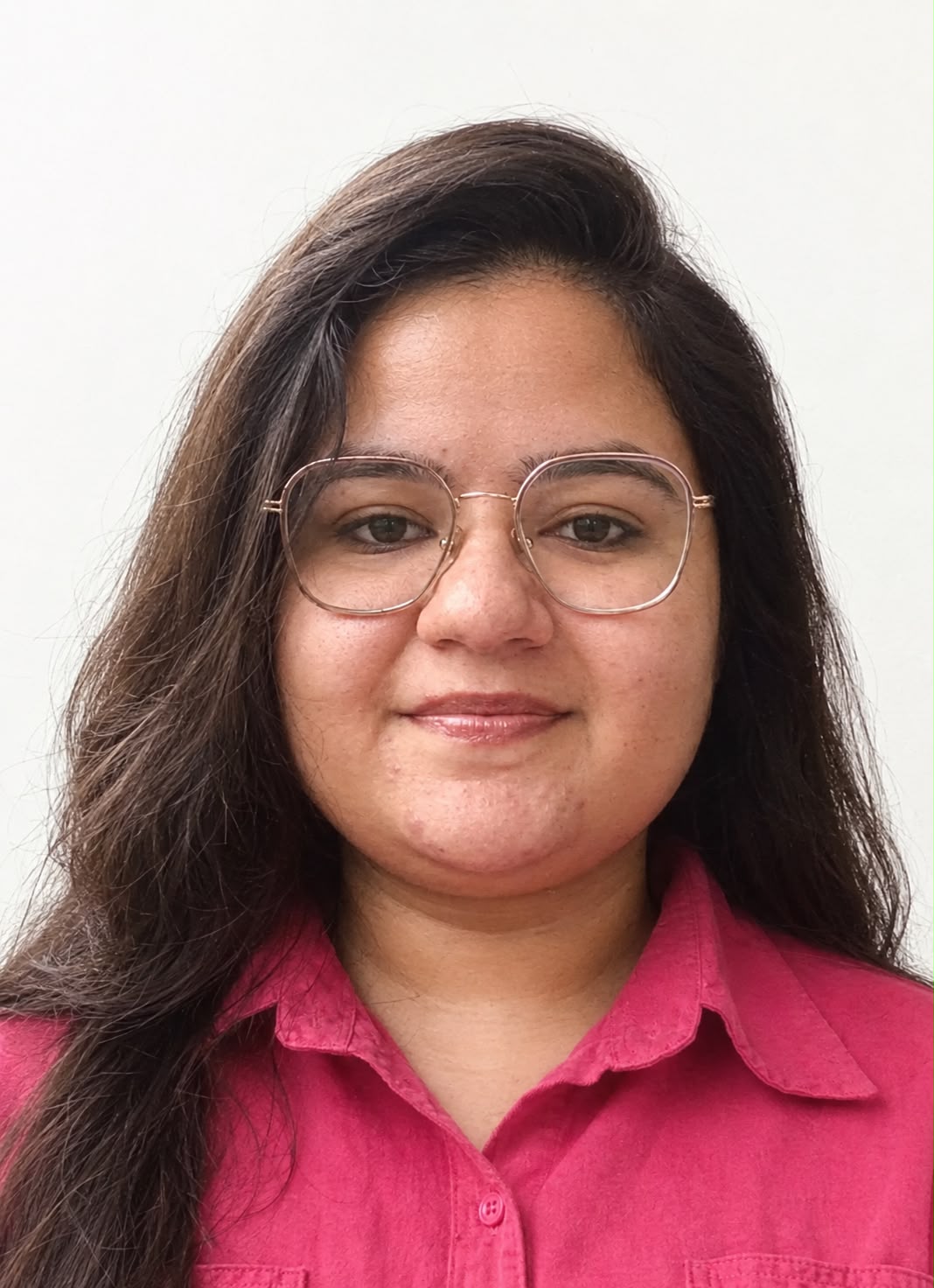
Shivangi Sharma
Social Media Lead, ICCH-AI 2026
PhD Research Scholar, Yoga, Shoolini University · Gold Medalist, B.Sc. & M.Sc. Yoga
Profile →October 22–23, 2026
Be part of a conversation
that is long overdue.
Registration is free. Join neuroscientists, yoga therapists, AI researchers, clinicians and technologists from across multiple institutions and countries.
Fully online worldwide · 17:30–21:30 IST · Free to attend